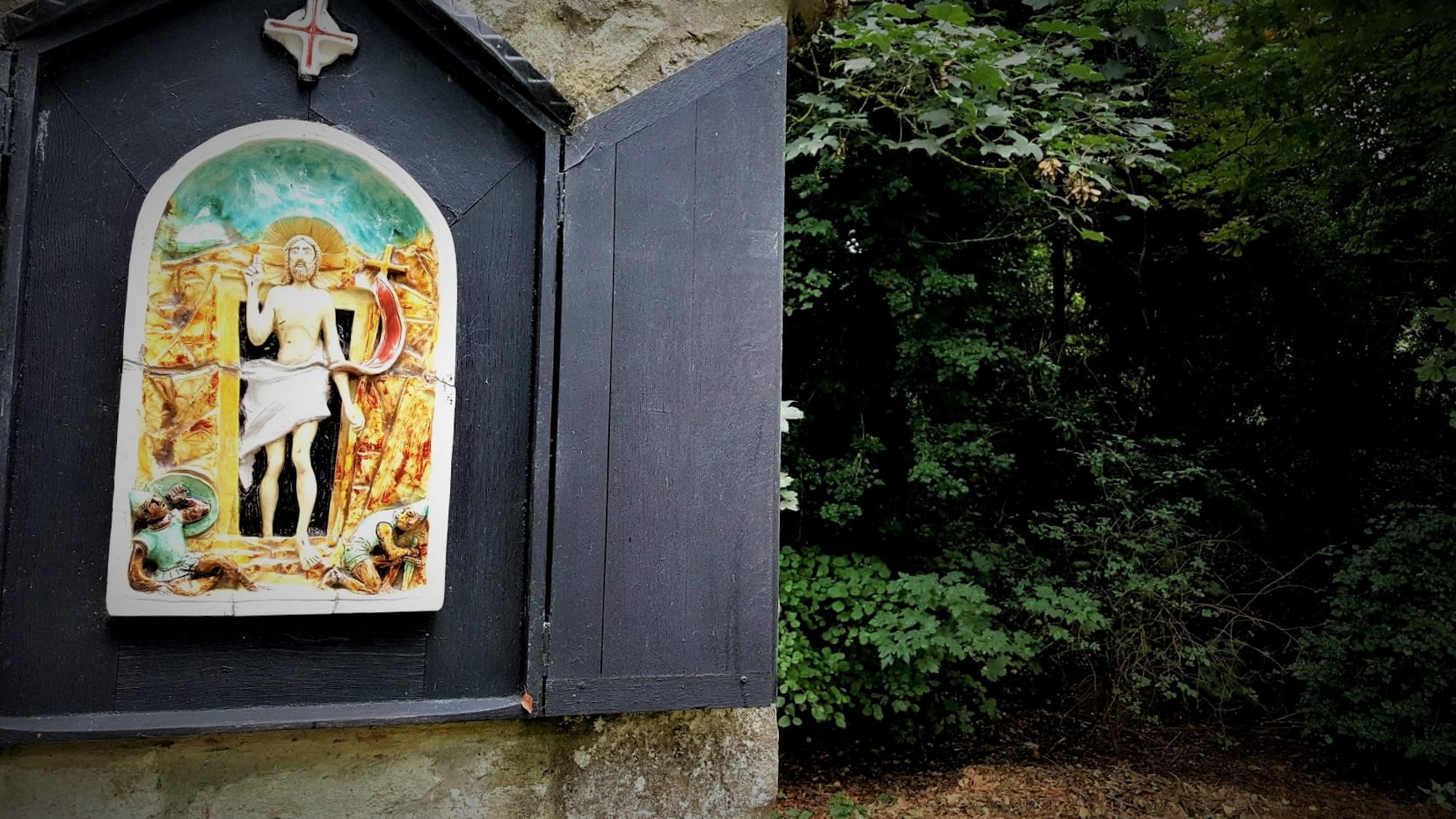
Photograph Phil Hall
New data reveals a sharp increase in the number of historic churches, meeting houses and temples at risk, threatening the vital social and economic fabric of Great Britain.
by Phil Hall
The historical parallel is stark. The dissolution of the monasteries under Henry VIII did not just target religion; it dismantled the era’s primary system of social welfare, destroying networks of poor relief, medical aid, artistic patronage, and food distribution. Today, the fear is that without intervention, neglected churches will be sold to developers, leading to a further tragic enclosure of community space and a severe reduction in social cohesion and the sell off of our heritage and destruction of our social well being.
The future of the UK’s historic churches, chapels, and meeting houses is hanging in the balance. The latest annual update from Historic England shows the number of these buildings on its official ‘Heritage at Risk’ Register has risen by 55 in a single year, to a total of 959. This alarming increase signals a deepening crisis for structures that form nearly half of Britain’s most important listed historic buildings.

Photograph Phil Hall
Yet this is far more than an architectural emergency. As Claire Walker, Chief Executive of the National Churches Trust, emphasises, these buildings are “the biggest single base for voluntary action in the UK.” They function as the vital anchor for community life, creativity, and worship in thousands of towns and villages. Their value, however, is not just social. A landmark 2023 report by the National Churches Trust, titled The House of Good, quantifies their annual economic contribution—generated by volunteers, congregations, and local users—at an astonishing £55 billion. This encompasses everything from childcare and food banks to concert venues and volunteer-run cafes. The churches, Meeting Houses and Temples are now safeguarded and inclusive places open to all. Agnostics and atheists and people of all religions are welcome.
Despite this immense value, a perfect storm of ageing structures, declining traditional congregations, and soaring maintenance costs is causing many to quietly deteriorate. “The future of historic churches, chapels and meeting houses across the UK hangs in the balance,” warns Walker. “Alongside the ageing networks of people who sustain them, it’s not too late to save them, but we have to work together to do so.”
A Call for Government Leadership

Photograph Phil Hall
The Trust and leading heritage bodies are calling for a step-change in government policy. They argue that with these buildings contributing £55 billion to societal wellbeing, a proportional state investment is essential. The ask is for a dedicated, annual capital funding scheme of £50 million to fund urgent repairs and adaptations.
£50 million is not a lot to ask. Put the figure in context. Churches provide £55 billion worth of value to the British economy in real terms every year. including essential health support services that would cost the NHS an extra £8.4 billion annually. We need the government to fully recognise this value and not leave local communities to struggle by themselves.
A National Effort: From the National Lottery to Your Actions

Photograph Phil Hall
State support would build upon a strong existing foundation. Since its inception, The National Lottery Heritage Fund has been a critical funder. A spokesperson confirmed that according to the national Churches Survey since 1994, over £1 billion has been invested in more than 8,200 places of worship projects across the UK.” This funding has been instrumental in supporting crucial repairs and innovative reuse projects spearheaded by organisations like the Churches Conservation Trust.
The solution also lies in strong local partnerships. Britain’s diverse religious traditions are increasingly collaborating, and there is a growing push for local authorities to work with faith groups to use these buildings as hubs for community services, arts, crafts, and health initiatives.
What Can Be Done?

Photograph Phil Hall
The National Churches Trust is advocating for a concerted national campaign with clear actions:
- Policy Change: Make the Listed Places of Worship Grant Scheme permanent and remove its cap, enabling essential repairs.
- Public Awareness: Raise the profile of the crisis by sharing information on social media, writing to local newspapers, and contacting MPs.
- Promote & Use: Champion churches as fantastic heritage destinations and encourage their use for community activities, ensuring they remain vibrant.
- Volunteer: Support local fundraising and volunteer drives to bolster the ageing networks that keep these buildings open.
With heritage tourism and pilgrimage on the rise, these spaces hold the key to understanding our past and sustaining our future communities. The message is clear: saving these soulful buildings is not a niche concern for the faithful, but a necessary investment in the nation’s social and economic well-being for generations to come.
Sources & Further Reading:
Historic England. (2023). Heritage at Risk Register 2023.
National Churches Trust. (2023). The House of Good: The Social and Economic Value of Britain’s Church Buildings.
National Churches Trust. (2024). Press Release: “Number of churches on Heritage at Risk Register rises by 55.”
The National Lottery Heritage Fund. (2024). Funding Places of Worship.
Churches Conservation Trust. Our Work.
Phil Hall was born in South Africa into an ANC family with British, French, Austrian, and German roots. After his parents were exiled, they lived in East Africa and India before returning overland to the UK. In the UK he studied Russian and Spanish literature, politics, and economics. After graduating he specialised in descriptive and applied linguistics. Phil has lived and worked in Spain, the USSR, Mexico and the Gulf. Returning to London during the pandemic, he co-founded the Humane Socialist magazine, Ars Notoria (the Art of the Noteworthy) and the micropublisher, AN Editions.
Discover more from Ars Notoria
Subscribe to get the latest posts sent to your email.



You must be logged in to post a comment.