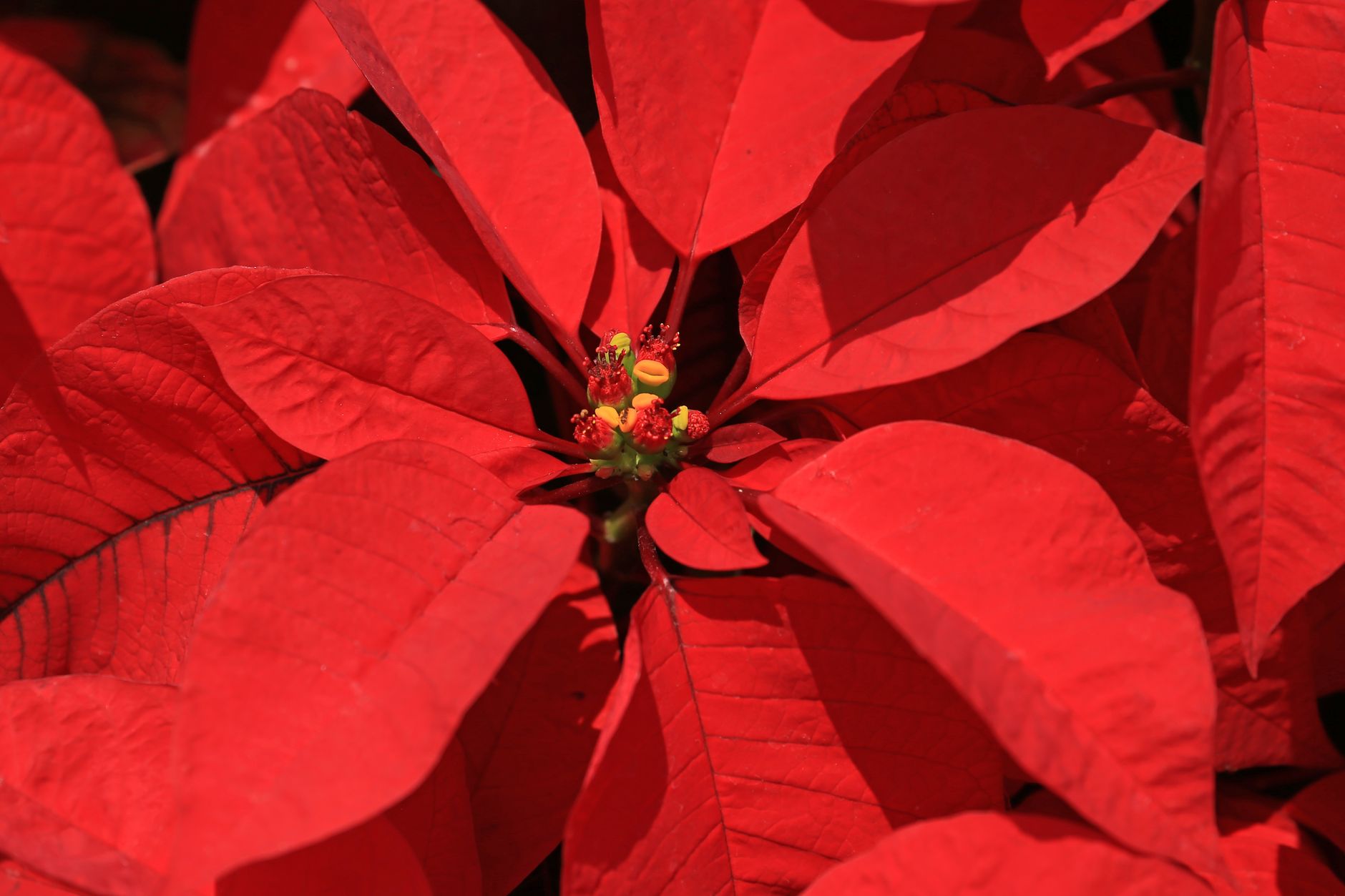
Nochebuena Photograph Jeffry Surianto
by Phil Hall
My three children are bathed, and clean in their pyjamas. In my hand a precious book from my partner’s collection of children’s picture books. Now, that the children have grown up the books are carefully boxed up and put away. But then there was the sweet smell of their clean skin and hair, cuddled up, and I open a book and we read about Christmases around the world. Then we come to the pages about Mexico and see pictures of children singing about posadas and breaking piñatas. My job then was to sing English Christmas carols to them, which my partner loves. She says I have a good voice. She has the carols printed out and ready. We sing all the English carols we like and, after a few years, the children know the songs quite well and can join in.
At school there are Christmas parties and the children dress up for nativity plays, ‘Pastorelas’. Of course, the parents are invited. It’s the prelude to three weeks of festivities.
My first Christmas in Mexico was in 1984. I had barely any money, but decided to see Mexico City all the same. I bought a third-class train ticket into the city. All the seats in third class were benches made out of slats of seasoned, varnished wood. There were no cushions. The train moved slowly and traveled through Xalapa’s coffee country and the more arid land that came after it. Eventually we reached the outskirts of Mexico City, where the train slowed down some more.
We travelled past the black cinder-scape of San Juanico, a slow cortege of carriages. A few months before. a huge gas storage tank exploded, killing many of the people who were living close to the tank. We trundled on. On the outskirts of the city, people’s houses came right up to the railway line. You could see into their backyards. One house had a little courtyard made from grey breeze blocks. It was set with Christmas lights. Another house had a plastic Christmas tree. Yet another had a window decorated with the lit up, smiling plastic figure of Father Christmas. House after house. Even in the bleakest, greyest outer suburbs of Mexico City, people were still full of cheer; alive and kicking, celebrating Christmas.
It’s the day of the Virgin of Guadalupe, the 12th of December, the first day of Christmas. We are walking to our church in Vallarta, Guadalajara, walking along tree-lined avenues.
Out from the church, coming to meet us are a dancing circle of parishioners. They are celebrating the day of the Virgin. The circle opens to include us. Spontaneously, my wife grabs the hand of a woman and my hand. Reading Tere’s gestures, I hold the hand of my oldest daughter to the right, and she holds the hand of her little sister, in turn, who holds the hand of her brother. We join in. The Virgin of Guadalupe is the patron saint of Mexico and of the whole of the Americas. She is Mother America. She was emblazoned on the first Mexican flag. Humble Juan Diego went up to Tepeyac to collect firewood and the Virgin descended. Her skin was Aztec bronze, her eyes were dark. She looked at Juan Diego, who fell to his knees in shock and her image was imprinted, as if by magic, on his poncho. There are no brushstrokes on the poncho and, in a reflection of one eye of the virgin, miraculously, is the image of Jan Diego kneeling.

Photo by Alma Gabriela Luna on Pexels
That poncho hangs encased in the Basilica of Guadalupe, an imposing, green domed, concrete structure. And, as we circle and leap in time to the music I understand something about the meaning of what we are doing. Mary is the mother of Mexico and that makes all of us her children, holding hands, singing, we are wishing our mother a happy, happy birthday. Teresa and I and the children become part of an equal fraternity – we all share a common mother.
We’ve been to the Tonala and Tlaquepaque to buy pieces for a ‘nacimiento.’ Well, we have a little tree too, but it’s the nacimiento we want; clay figurines painted in cream, brown and gold: Mary, Jesus, Joseph, the kings, the shepherds, the animals. In the market we buy moss, and decorated paper, and a stable and a few other things: birds, palm trees, Christmas decorations. Lights. As usual the market smells are both intolerably delicious and slightly disgusting. The stewing goat’s meat birria and the fatty taco meat chopped up under bright light bulbs smell appetising, but there is also the smell of the rubbish.
At home the children and their mother lay out the nacimiento on a card table. The finishing touch to the nativity scene is a circle of flashing lights. The whole affair is set to one side of the entrance, near a large slab of dark window overlooking the garden. The lights reflect on the shiny surface. In every school and government office people set out their public nacimientos. The municipalities set theirs out in the town squares. The figures are much larger. The lights are much brighter. But the general scheme is the same. There are competitions for the best one.
The markets are full. Mexican markets are overwhelming even when it isn’t Christmas. They are vast. Bright red Flor de Nochebuena, or cuetlaxochitl, is on sale everywhere. The US ambassador to Mexico, Mr. Poinsett, was impressed and took some Noche buena plants back to the USA where they renamed the plant after him. Piñatas hang from hooks everywhere. The most traditional are made from heavy baked clay, easy to shatter, and they contain cheap sweets, like Duvalin, Pulparindo, Pelon Rico and Mazapan. They are also full of nuts and fruits. The piñatas are covered in coloured, decorated raffia paper. The traditional piñatas have seven shining silver cones attached, each with tassels. The piñata, in Mexican tradition, represents the devil and, when you beat the devil, out come prizes, spilling onto the ground. It’s winter so they are selling ponchos of all sizes. The traders also sell handicrafts, birds, plastic toys, kitchenware, clothes, piles of fruit, seafood cocktails, spells.
Christmas really begins when we drive to my wife’s home town. She is very eager to go and so are the children because their grandmother is there and because they will see their cousins and beloved uncles and aunts. Her town used to be a small town in the west of Mexico, now it’s a big town, about the size of Brighton, Hove and Worthing put together. When we were living in Toluca it would take me six hours to drive to there, over 600 kilometres away and when we lived in Guadalajara it would take me just over three, because Guadalajara was over 300 kilometres away.

Photo by Jhovani Morales on Pexels
We got to know the route pretty well, but we are always in such a hurry to get to the family home that sometimes I end up driving at speeds of 160kph to 180kph. I tell her I need a rest and she sighs and says:
‘We’ve lost so much time as it is. We’ll get there late.’
But when I feel my eyes closing then I insist on stopping to drink a strong cup of instant coffee at a Pemex station from a polystyrene cup. It’s so strong it’s disgusting – with lots of sugar and some milk.
Tere’s brothers can do the drive much faster than me in their Ford and Chevy pick-up trucks. Where I take six hours, they take five and where I take three, they take two and a half hours. We know we are almost there when the landscape fills with pines and gets hilly; some of the hills are as big as mountains – in fact many of the hills are dormant or extinct volcanoes. The road moves through the villages, and some of the villages are very poor. Some of the roads aren’t even tarred, they have cobble stones or gravel. A few people still use donkeys and carts and many are wearing traditional clothes, rebozos. Paracho is where they make guitars, and that is one of the last towns on the road before the avocado orchards. Then there are miles and miles of green avocado orchards on both sides of the road. Uruapan is the avocado growing centre of the world.
The town comes into view. We are almost there, at the house, when we drive past the national park and turn left at the entrance, just by a beautiful old church on the right. Down and up the hill and a little twist and we are on the road, just off from the centre of town. The road is called 5th of February – after my older daughter’s birthday. There is usually a big welcome. We toot the car horn and quickly the gates open. But if it is very late we wait until someone comes down to the big iron gates of the house in pyjamas to swing them open for us.
I sleep in the back room, in Felipe’s room. Putting my things in the closet I notice Don Raphael’s collection of guns. Old irons really. They probably don’t work. There are gun belts and small automatics; one has a pearl handle. The best ones, the rifles, were filched by untrustworthy staff after Don Raphael died. It is odd for me. In England no one has guns, let alone the guns of the old west. It feels strange to hold them. In the courtyard next to Felipe’s’s room there is a Chaya tree and sometimes someone asks for Chaya leaves to make tea with. In the early days we would also sleep in the front of the house, but then, when they built the extension at the back Felipe would move out for us and would stay at the back.

If we get there a day or two before Christmas, the brothers organise a piñata for the little ones. For everyone, in fact. The house at the front, facing the street is a big ‘L’ shape and so one of us, often me, goes to one end of the ‘L’ on the second floor, and the other person, maybe Felipe, goes to the other end of the ‘L.’
The piñata is suspended by a thick rope. The piñata weighs three or four kilos so it could hurt someone easily if it fell on top of them and one of the main jobs of the people holding the piñata is to avoid accidents. When the little kids are blindfolded and given a broom handle the piñata is lowered and they take whacks at it. Usually, nothing happens. But when the older children take swings we have to make the piñata swoop and fly around them to avoid getting broken. When adults have a go the piñata travels at high speeds in the air above the courtyard.
The catch up conversations start in earnest almost as soon as we arrive and nothing makes me happier than to see how happy Tere is chatting to her Mum and Angeles and Carmen and Juan. She is so happy to be in the company of her family. I could feel left out, but I don’t because they make a real effort to include me. ‘Phil makes wonderful salads’, they say. And so I make the salad, though there is also a Christmas salad – a Waldorf salad.
Judith or Carmen make the Christmas cake, it is delicious, and there is always – rather oddly – a dried cod-fish pie. It’s a Spanish tradition. The Quesada side of the family held on to a few of its Spanish traditions. My mother-in-law makes the leg of pork. The impressive thing about the leg of pork is the amount of garlic that goes into dressing it and the amount of time it takes to cook. I think she mashes up 50 cloves into fat to cover the leg roast. Then she bastes the meat and bastes it. It takes the whole day to make.
Early on Christmas Eve come the carol singers. This is mainly for the children. They sing a special song. In the song Mary and Joseph ask for a place to stay the night and are rejected and then finally they are let in. The song is rather jolly, if tuneless. The pilgrims do get hot fruit punch if they wait around. sometimes atole and tamales. The hot fruit punch tastes of cinnamon and crab apples – tejocotes.
Then everyone dresses up to go to the midnight mass. I must always wear a suit and tie. Perfectly dressed, the whole Elvira family, and the orbiting families attached to it, like ours, walk up the hill to midnight mass at the Immaculate Heart. The church is full and everyone who is anyone in town is there. Teresa Senior is deeply involved in the church’s activities so she leaves the house early to help the priest get ready for the ceremony. It’s hard work that she does every Sunday, not just on special occasions.

Photograph Felipe Elvira
When we came back from the mass we eat the wonderful meal laid out in the living room, which is a room people almost never use. We talk, but after some time, after the brandy and the cake, the talk runs out and the family take out guitars and start singing. They always start with Beatle’s songs, but, as the night wears on there are more and more Mexican folksongs, songs of the revolution, many different songs that they know by heart and I don’t.
A little afterwards the children get tired. I start to fade too. It’s around two am, but the Elviras go on singing until four am in the morning.
The next day everyone is quite relaxed. They get up late and if you are hungry you can eat pork rolls for lunch made with a smear of beans and fresh chili sauce. The conversations start again. Aunts and Uncles drive up from Mexico City and breathe a second life into the gathering.
On New Years Eve everyone gathers into one of the bedrooms for safety. This is a wild agricultural hub of a town, and lots of people have guns and pick up trucks. At 12 o’clock the fireworks start and the farmers and other younger male town dwellers of a sort, drive around firing guns into the air. Sometimes even automatic weapons. In the morning some of the cars parked in the streets have holes in them made by falling bullets. We leave on the second of January, rested, well fed and my partner has caught up with all the doings of her family and her town.
Back at our house in Guadalajara, my children really believe in the three kings: Melchior, Caspar, and Balthazar. We tell them that Santa Claus is a bit of an American fake, but that the kings are real, Melchior has a camel and comes from the Middle East, Caspar is from India and has a horse and Balthazar is from Africa and rides an elephant. Together, we lay out refreshments for the kings and for their animals; Wine, Turron, milk and bowls of water, and because their mother tells them it is true they believe it to be true and she explains.
‘The three kings are real.’
She says to me in an aside ‘They are saints, and they bring spiritual gifts’ I think the kids only started to disbelieve in the kings when the youngest was about five and, and that was only because the older children’s classmates told them there were no visiting kings.
The children get one or two presents each, but never very many. In the UK children get lots of presents, but our children just get a few. Still, the experience of Christmas in Mexico is a rich one for them. Christmas in Mexico is full with family, tradition and spirit.
The sixth of January is the last day of Christmas. It ia the Epiphany, and after that we go back to school and to work. On the day of the three kings you eat a special fruit cake, a Rosca de Reyes with a little plastic baby hidden inside it. It’s a Spanish tradition they share with Mexico. The person who gets the slice with the baby in it has to organise the tamales and atole for Candlemas on 2nd February. Christmas is finally over!
Phil Hall was born in South Africa into an ANC family with British, French, Austrian, and German roots. After his parents were exiled, they lived in East Africa and India before returning overland to the UK. In the UK he studied Russian and Spanish literature, politics, and economics. After graduating he specialised in descriptive and applied linguistics. Phil has lived and worked in Spain, the USSR, Mexico and the Gulf. Returning to London during the pandemic, he co-founded the Humane Socialist magazine, Ars Notoria (the Art of the Noteworthy) and the micropublisher, AN Editions.
Discover more from Ars Notoria
Subscribe to get the latest posts sent to your email.
You must be logged in to post a comment.