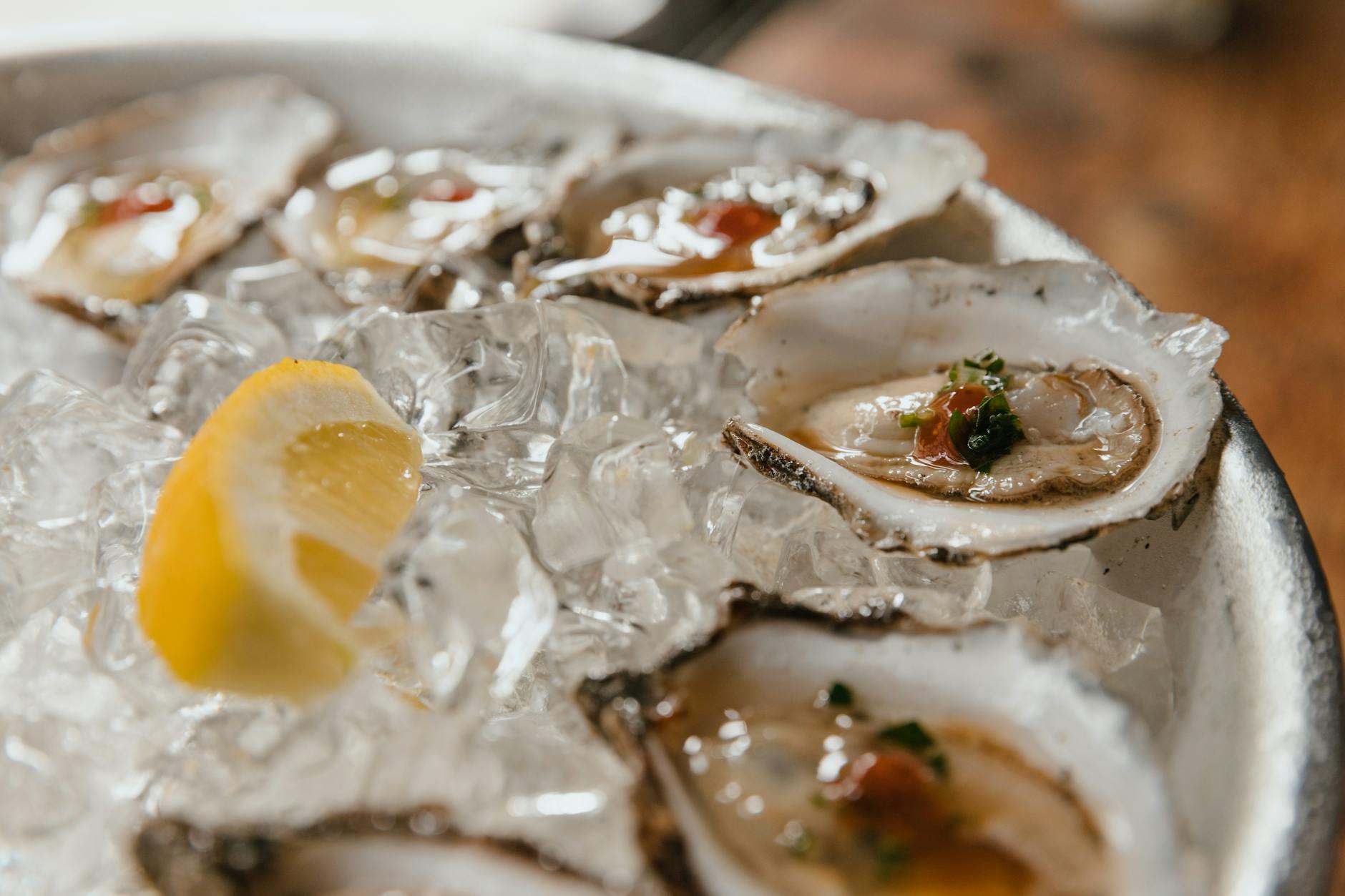
Photo by RDNE, Pexels
Cooking With All Your Senses
by Arun Kapil
.
A masaalchi (मसालची) is a skilled artisanal spice blender who combines tradition and healing. The Ayurvedic spice blender is more than a grinder—they are guardians of flavour and wellness with hands that balance rasa, virya, and vipaka, they create masalas and every pinch carries thought.
.
Before sous vide and smart scales, there was scent. There was sound. There was touch. A Masaalchi by trade but a cook by instinct, I’ve learned that the best dishes – Indian or Italian, French or Filipino – begin not with a recipe, but with attention. The shimmer of oil just before it smokes. The quiet shift from simmer to boil. The warmth of a ripe tomato in your palm. This isn’t nostalgia, it’s about reclaiming a way of cooking that’s human, sensual, and gloriously imprecise. Trust your senses. Part kitchen dance, part Masaalchi’s meditation, this month I’ve written about tuning in and turning up your culinary instincts.
“Clock mat dekh, khushboo sun.” Don’t watch the clock, listen to the aroma.
There’s a kind of quiet magic to good cooking and it has nothing to do with timers or digital thermometers. It lives in the space between you and the ingredients. It begins with your senses, fully tuned in and turned up. The best cooks I know don’t just follow recipes they listen, they smell, they feel their way to flavour. They pay attention. They let the kitchen speak.
Long before modern gadgets and smart ovens, the cook’s body was the ultimate instrument. As a Masaalchi, a spice expert, I rely not only on instinct but on training my senses to respond to subtle shifts – different season same spice shifts – the way onions turn from acrid to sweet as they soften, or the moment spices bloom. Not too early, not too late – just when their aroma curls around the room like a signal flag.
Sound comes first. Myrtle Allen, arguably the doyenne of Irish cooking and a profound influence on my kitchen philosophy, famously banned radios in the kitchen not just during service, but even in prep. “You must listen to the music of the food,” she said. And she was right. The sounds of cooking tell you everything: the gentle tick-tick of onions in ghee, the low gurgle of a sauce simmering, or the sharper, more urgent note as it begins to reduce. Even a change in pitch, from bassy glugs to a higher, insistent bubble, tells you your pan is reaching the edge.

Listen to pasta as it tosses in the pan: it slaps wetly, but firmly, against the metal, the sound changing when it reaches al dente – less sticky, more confident. A risotto, properly stirred, sighs as the starch releases. On a grill, a sausage sings differently once the fat renders and the casing crisps.
‘A chicken breast doesn’t know it’s supposed to cook in 10 minutes‘
The same applies to grilling or BBQ cooking. On an open flame, sizzle is signal. A steak whispers when it needs searing, it crackles confidently when it’s formed a crust. When fat drips onto the coals, it flares and hisses, an audible alert that flavour is developing, but danger is near. If the pan is too quiet, it’s not hot enough. Too loud, and you’re scorching your seasoning.
Smell is the spice guide. A perfumier can detect floral notes, herbaceous notes, amber, oud and smoke; a Masaalchi senses when cumin has turned bitter, when cardamom is too raw, when mustard seeds have over-popped and vanilla has not quite cured. There’s a moment during a masala’s cooking when the rawness of garlic, ginger and spice fades and the mixture starts to smell rounded, cooked, balanced. You can’t clock it; you must nose it.

It’s the same with butter, unsalted, gently browning, butter begins to smell nutty and sweet. Let it go too long, and it smells sharp, on the verge of burnt. A spanking fresh oyster, popped on a grill and slathered with garlic, chilli and herb butter, will release the briny smell of sea. You’ll know when it’s ready not by the clock, but when the oyster sheen turns from translucent to opaque, whispering readiness in colour scent and texture.
Even flour tells you something by smell: fresh atta (wheat flour) is nutty and earthy; old atta is flat, dusty, or worse; musty. Similarly, the aroma wafting from the oven tells you if your bread is still blooming, or already tipping into burnt.
Touch, too, is vital. Bread dough will resist, then yield when it has been kneaded enough. Grilling meat? Don’t just set a timer, press the surface. A rare steak is soft and giving; medium has resistance; well-done, firm. Your fingertips become your thermometer.

The act of chopping reveals truths: how easily a knife slides through a tomato tells you its ripeness. Carrots will squeak slightly against the blade when young, and split louder when older and denser. A young courgette offers almost no resistance to the knife; later in its season and it fights back with fibrous determination. Potatoes too, change across the year. Feel guides your prep, and prep guides your cook.
Sight helps you track moisture and texture. When roasting vegetables, the browning on the edges, the slight shine from released natural sugars; that’s your visual cue. When caramelising onions, their transformation from white to golden to deep brown can’t be rushed, only recognised. Fish tells its doneness by how the flesh goes from glossy to gentle flakes. The sauce’s gloss, the pasta’s surface, the bubbling edge of a pie – crumble or cobbler – are all visual clues waiting to be read.
Taste is of course your final editor. But it should come (some might say) in throughout. Taste your salt early and often! Taste your curry base before adding vegetables! Taste your raita once it’s sat for ten minutes! The mouth confirms what your other senses suspect.

But above all: the sixth sense is awareness. Be open to the atmosphere. Humidity in the room affects dough. Air temperature changes frying time. A cold chopping board dulls your blade. Your environment isn’t static and your cooking shouldn’t be either.
There’s no universal time for doneness. A chicken breast doesn’t know it’s supposed to cook in 10 minutes. A tomato will reduce when it wants to, depending on ripeness, season and storage. Nature decides, not the clock. When asked once, “how do I know when it’s ready?” the only honest answer I could give was: “when it’s cooked.” And that, of course, means knowing what cooked looks like, sounds like, smells like, tastes like, feels like.
Cooking this way is intimate. It demands attention, presence. But it gives back joy, spontaneity, and mastery. You’re not following the food; you’re dancing with it. And when all your senses are your sous chef, you’ll never need to second-guess what’s happening in the pan. You’ll just know.
I have recently been re-reading a cookbook my friend Max encouraged me to get a few years ago now. Chef Ferdinand Point, often considered the father of modern French cuisine, famously said: “Success is the sum of a lot of small things done correctly.” And perhaps nowhere is that truer than in the sensory choreography of cooking.

Point believed that cooking could not and should not be rushed. He was renowned for his insistence on tasting constantly, adjusting gently, and allowing food to reveal itself in its own time. In his kitchen at La Pyramide in Vienne, France, he wasn’t interested in ego-driven flourishes or excessive technique. What mattered was attention, respect, and intuition. He taught that every element was a message – how a sauce coats a spoon, how a fish smells when it’s nearly done, how a soufflé should quiver. Food whispers when it cooks it doesn’t shout.
Chef Ferdinand Point would walk his kitchen in silence, eyes half-closed, dipping a spoon into a broth, running a finger along a fish’s skin, lifting the lid of a pot not to check time, but to feel aroma. His cookbook Ma Gastronomie is less a manual and more a meditation on lightness, patience, and the soul of a dish. It’s a reminder that great food isn’t just about measurement or method. It’s about noticing. The difference between a good cook and a great one often lies in how well they pay attention.
This culinary approach of Point contrasts, but also resonates with that of the grand kitchens of Indian palaces. They were places of opulence, diplomacy and theatrical dining. The khansama, the Maharaj, the cook reigned supreme. These head chefs were not merely cooks; they were the custodians of prestige, guardians of culinary secrets, and performers of a refined gastronomic tradition that relied not on measurement nor repeated tasting, but on innate understanding.
In many princely states and Mughal courts khansamas believed that a truly skilled cook should not need to taste the dish while cooking. Tasting, to them, implied doubt and doubt had no place in the realm of royal service. This belief wasn’t rooted in arrogance, but in a deeply honed sensory wisdom. A khansama would assess by scent, sound, texture, temperature, and even using the vibration of the pot. Their craft was part intuition, part devotion and fully reliant on a sixth sense born of years of observing the behaviour of ingredients and fire.

They were known to work in silence, especially when preparing ceremonial dishes – biryanis sealed in dough (dum), qormas perfumed with rose and vetiver, or rich kaliya stews simmered to silken perfection. It was said a khansama could tell when a dish was done simply by listening to the rhythm of the bubbles, or by watching the way a curry clung to the ladle.
So, whichever theory you favour, I encourage you! Cook with your ears open, your nostrils wide, your fingers alive and your eyes curious. Let the kitchen speak to you. Most important of all, listen.
A Beginner’s Five-Sense Guide to Cooking
Sound: Is it sizzling too aggressively or whispering softly? Let your ears monitor the heat.
Smell: Learn to recognise the scent arc from raw, to cooking, to caramelising, to burning.
Touch: Use your fingers to test texture, density, and tenderness, both in raw and cooked form.
Sight: Trust your eyes. Observe the way surfaces change colour, gloss, and shape during heat.
Taste: Taste frequently, and early most will say. Adjust seasoning and acidity in real time.
Bonus Tip: Keep a notebook. Jot down what you heard, smelled, felt, and saw—it builds awareness faster than any recipe.
This month’s 10-Minute Recipe: Crispy Chilli Garlic Prawns with Lime

I’ve written this recipe as I feel it follows on nicely from the piece, it’s all about cooking with your senses: the sizzle of prawns hitting hot oil, the aroma of garlic mingling with chilli, the sight of them curling and turning coral-pink, crispness to the touch, and the zing of lime on your tongue. It’s fast, bold, and teaches you to trust your instincts. Enjoy!
Ingredients:
- 200g raw prawns, peeled and deveined
- 1 tbsp oil (light olive oil or coconut oil for aroma)
- a few fresh curry leaves
- 4 garlic cloves, finely sliced
- 1 fresh red chilli, finely chopped (or to taste)
- Sea salt to season
- Fresh lime wedges, to finish
- Optional: a pinch of garam masala for a smoky finish
Method:
- Heat the oil in a heavy-bottomed pan until it shimmers.
- Add the curry leaves then garlic slices, listen for the gentle sizzle. Stir until the garlic begins to just turn golden.
- Add the chilli and prawns. The pan should hiss as they hit. Toss them quickly.
- Watch closely, the prawns will change colour from translucent grey to opaque pink and begin to curl. This is your visual cue. Don’t let them cook too long
- Use tongs or touch lightly with a spatula, the prawns should feel springy but firm. If they’ve gone rubbery, you’ve gone too far.
- Squeeze lime over them just before serving for that final sensory pop and a sprinkle of garam masala.
Sensory Tips:
- If the garlic browns too fast or smells acrid, your pan’s too hot.
- If the prawns release water and start to steam instead of sizzle, the pan wasn’t hot enough.
- Use your nose: raw seafood smells faintly briny; cooked prawns smell sweet and inviting.
This dish rewards attentiveness. Try it with your eyes, ears, and nose wide open. Serve it hot, crisp, and gleaming.
.
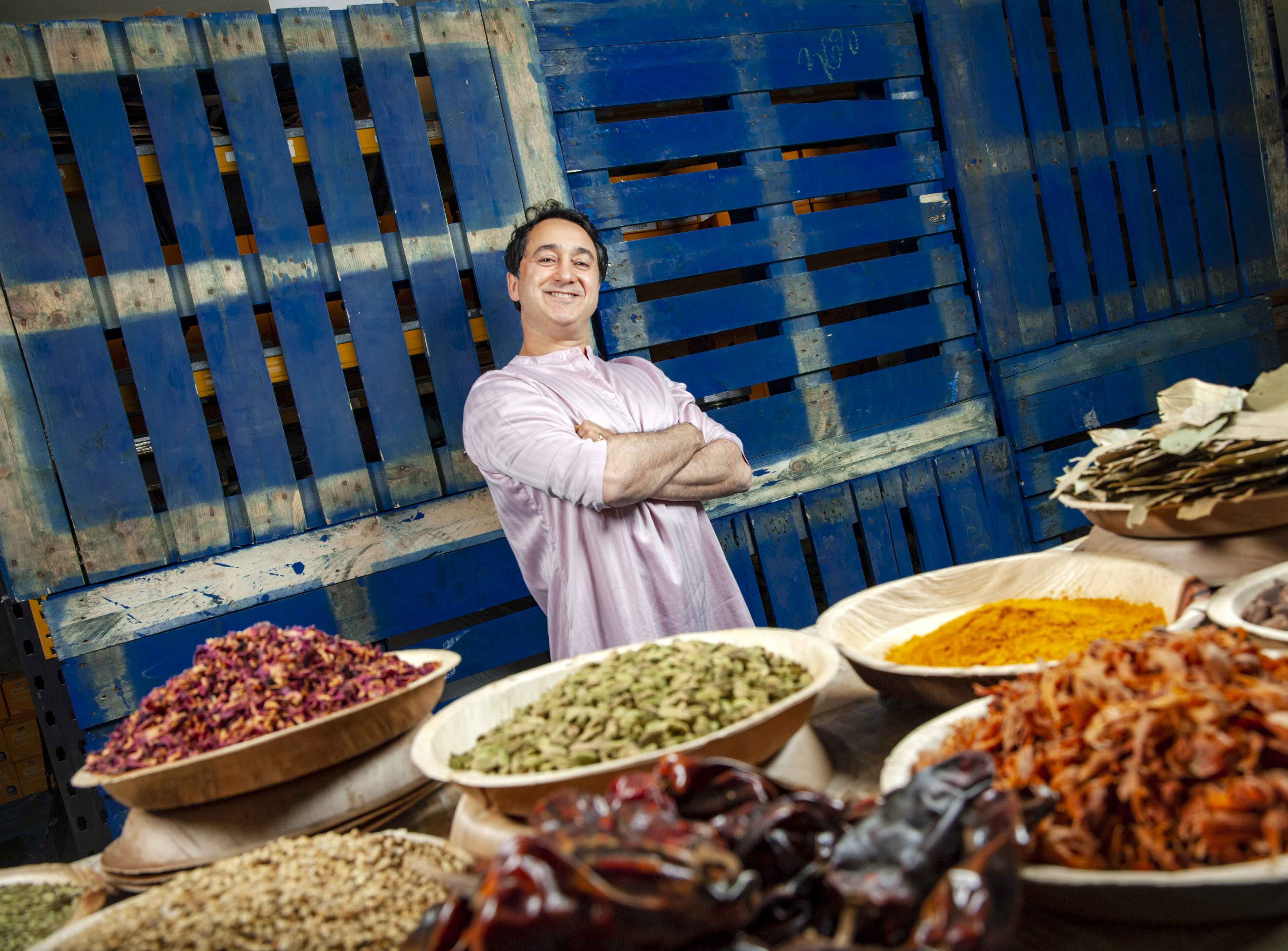
Arun Kapil, Food Editor of AN Editions, founded and owns a spice company, Green Saffron Spices. He works sustainably direct with partner farms mainly to the west and north of India and some in the south. He works directly from source. He owns total chain of custody, depleting links in the chain, bringing direct line of sight to fields of cultivation. Arun and his partner Olive began by selling one or two sachets a week of bespoke blends with accompanying recipes at a farmers market stall in Mahon Point, Cork. They now sell spices and seasonings to globally based blue chips, onward food processors and are just in the throes of re-launching their brand, based on Modern India meal solutions, sauces, spice blends, naan, condiments and basmati. They started the business boot-strapping from the bottom up, managed with a good deal of jugaard. He considers himself to be a masaalchi and at best a khansama supported by a strong network of Irish, Indian and British agri-experts and businessmen.
Discover more from Ars Notoria
Subscribe to get the latest posts sent to your email.


Comment
Comments are closed.