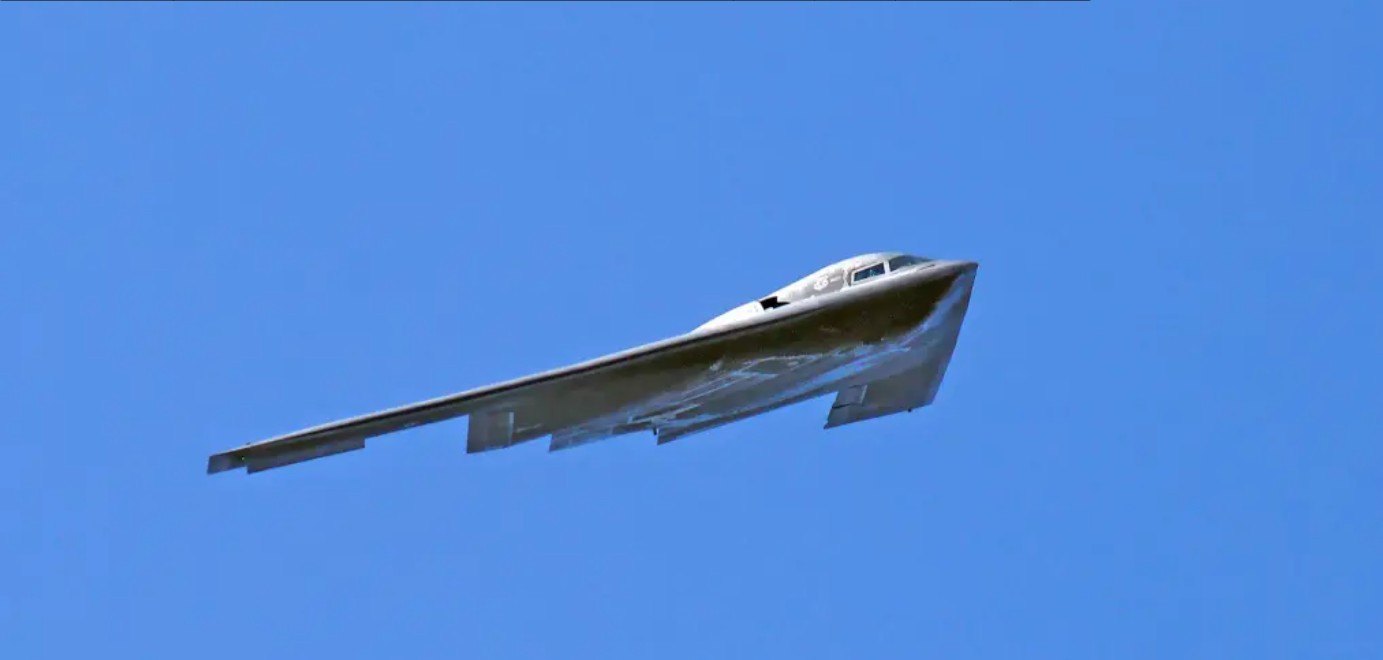
US B2 bomber, Photo by Phyllis Lilienthal on Pexels.com
Were both the US and Iranian attacks merely performative?
by James Tweedie
So it finally happened: Israel went to war with Iran and the US waded in to back it up. Friday the 13th 2025 was another unlucky day for peace – not to mention motorists hoping pump prices had stabilised. And then as suddenly and as it started, it stopped, and there is once more peace in the Middle East — except for Gaza, Lebanon, Syria and Yemen of course.
But the war was begun and ended on lies, and even fought with lies. Israel’s pretext was the culmination of 30 years of evidence-free claims by Prime Minister Benjamin Netanyahu that Iran’s nuclear energy programme was for military use and that the Islamic Republic was permanently on the verge of building a nuclear weapon.
That claim was the basis of the sanctions on Iranian oil exports that were meant to be lifted under the 2015 JCPOA “nuclear deal” — a deal that was unnecessary because Iran is a party to the Non-Proliferation Treaty (NPT) and so has pledged not to develop such weapons in return for the right to peaceful nuclear energy.
US President Donald Trump’s withdrawal from the deal in his first term — and his order to assassinate Islamic Revolutionary Guard Corps General Qassem Soleimani — was justified by the lie that Iran, not the US and Israel, is to blame for the destabilisation of the region and the deaths of US soldiers sent there as occupiers.
Netanyahu claims the ongoing assault on the Gaza Strip is meant to free hostages and military prisoners taken on October 7 2023, along with Destroying Hamas. The captives could have been returned within weeks in a simple prisoner swap, and Hamas is still there and fighting.
The Friday 13th air raids and drone attacks that killed so many Iranian military leaders and (civilian) nuclear scientists had the element of surprise as Washington was in talks with Tehran towards a new nuclear deal — in no better faith than the original as it turned out.
Tel Aviv and Washington’s insistence that the attacks were not aimed at regime change in Tehran was repeated alongside breathless reports that Reza Pahlavi, son of the Western-backed Shah who was deposed in the 1979 Islamic Revolution, was waiting in the wings to lead Iran into a brave new future.
Iran’s own ‘Bonnie Prince Charlie’ tweeted hours after the ceasefire that “the regime is weak” and “near collapse” and that “victory is in our hands,” adding vain threats to military leaders. His lies were exposed when the Streets of Tehran were filled with people on the day of the ceasefire, but in support of the government and celebrating what they saw as victory.
Israel’s claim to be winning the war was undermined by every Iranian missile that fell on Israel, penetrating the four-fold shield of its David’s Sling and Arrow anti-ballistic missiles and the US land-based THAAD and seaborne Aegis systems.
Why should Iran not follow North Korea’s lead — the West remembers its manners when you’re holding an H-bomb.
The outcome of the war depended purely on which side ran out of missiles first, and US Defence Secretary Pete Hegseth admitted on June 25th that the US Navy had been depleting stocks at an “alarming rate.” Iran was scoring more hits for fewer missiles fired in the last days of the war.

Trump’s claim that bombing Iran’s three key nuclear facilities had somehow brought peace was belied by the USD media and even his own intelligence services, who revealed that even the dozen 14-tonne earth-penetrating bombs dropped on the Fordow enrichment site had likely failed to blast through the 90 metres of rock and reinforced concrete above the centrifuge halls.
Trump’s vehement response to those reports — and his profane outburst at both Israel and Iran for daring to defy ‘his’ peace — shows how much he has investing in maintaining his narrative. However, while Iran claims to have exacted revenge on the US by hitting its bases in Qatar and Iraq also rings hollow as no direct hits have been recorded. Were both attacks as performative as they were insignificant? Iran has demonstrated that the crescent of US bases around its borders are just as much targets as threats.
Hegseth’s declaration that Tehran’s “nuclear ambitions” were “obliterated” and Trump’s that Iran with never have nuclear energy ring hollow, too. The Bushehr nuclear power plant was not hit, probably for fear of killing Russian technicians working on new reactors. The Iranian government says it removed all enriched uranium to a secure location and has a new, secret and even harder-to-bomb facility set up and ready to go.
Western commentators may scoff at Ayatollah Ali Khamenei’s fatwa judgement that nuclear weapons were blasphemous, but they took the fatwa against Salman Rushdie seriously. The word of the supreme religious leader carries weight in the Islamic Republic of Iran.
But even an ayatollah can change his mind. Netanyahu and Trump may have changed it for him. The US and its client state Israel have proven themselves implacable and treacherous enemies. Why should Iran not follow North Korea’s lead — the West remembers its manners when you’re holding an H-bomb.
James Tweedie has lived and worked in South Africa and Spain. He has worked as a reporter and the International Editor of the Morning Star newspaper, a foreign reporter for the Mail Online and an online journalist for RT.com. He has appeared as a commentator on BBC Radio 4, RT’s Crosstalk, Turkey’s TRT World and Iran’s Press TV. He maintains an occasional blog (http://ositorojo.blogspot.com/), describing himself as “one of the most deplorable purveyors of fake news about populist strongmen (and women) around the post-truth world.”
Discover more from Ars Notoria
Subscribe to get the latest posts sent to your email.


You must be logged in to post a comment.