
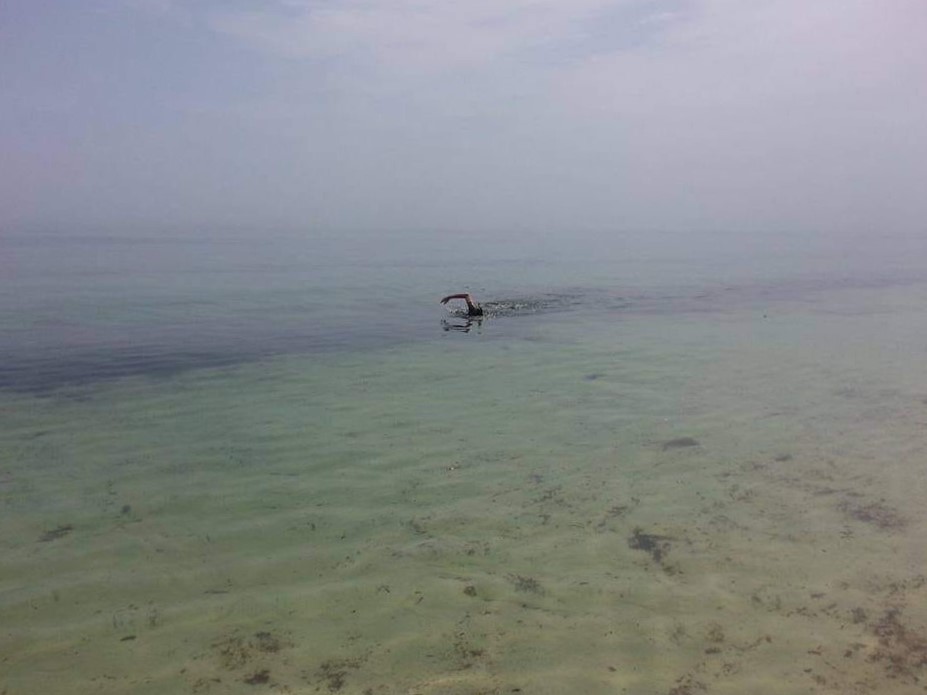
Sinai. Photograph Tina Bexson
by Tina Bexson
I slowly slide my head an inch across my forearm so I can see the three prisoners by the door. I do this in such a way to make me appear asleep – I do not want them to know I am watching them. They crouch in a tight huddle. They seem to know they will be the next ones taken to the chief for interrogation. They are young Salafists, shaking, and rubbing their trembling hands across their moustache-less beards. They must be today’s chosen ones.
The one in the middle is weeping into the cuff of his djellaba. His other hand turns prayer beads around each of his soft pale fingers. I think of my own beads, those my father gave me when I was a young child. Where are they now, I wonder. I don’t think I ever touched them again after father died.
What have the three Salafists done to be in this cell? Perhaps like me and my friend Hassan they have done nothing. I yawn and turn on my other side to check on Hassan. He is curled up and breathing deeply. Still asleep? Or is he pretending to be too?

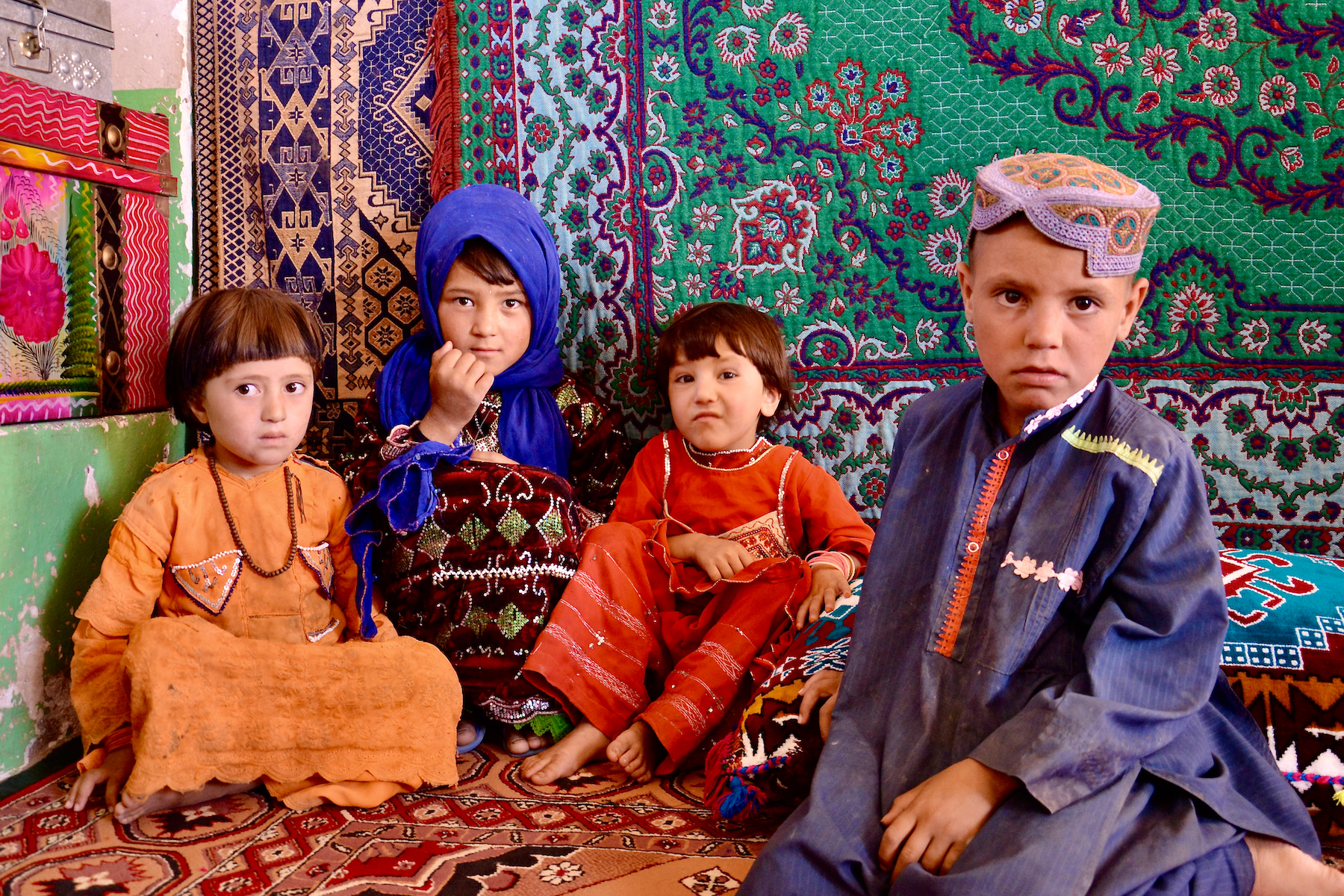
Sinai. Photograph Tina Bexson
We have been in this cell for what I think must be a week now. We were picked up by police within the majestic mountainous area south of the peninsula, having driven down from a north-eastern city to join our fellow Bedouins in our favourite wadi. To drink coffee under the full moon, gazing up into the stars.
A few miles from our destination, we’d stopped for Gas, but the queue was so long we reversed out of the station and continued driving. We’d refuel on the way back we thought. Then a police van stopped us because, they decided, it was strange we’d driven on without filling up first.
A clash of keys, just moments after the morning prayer. It is 5:30 am. One guard enters. Then further ker-chunking as the bathroom is unlocked. Since all 23 of us are collectively given five minutes to use the four toilets and four basins, we have less than a minute each. If someone takes too long, they are beaten.
7 am now. Guards, two, three, four, in bleached browns and greens, stumble into our cell. They push past today’s chosen ones and dump our breakfast onto the floor. The Salafists shuffle into a position so they can gaze at the food, but they do not move towards it. Nor did they get up earlier to use the bathroom.
I crouch onto my haunches and grab the only piece of lemon there is, squeeze it into a bowl of fuul, take a crust of stale bread, fold it into a rabbit’s ear and scoop up as much of the beany stew as I can.
Hassan stirs. I pull a face to indicate the food is not worth it.
Hassan, Hassan, how did this happen to us, I ponder? Neither of us have been in custody before. Well, as far as I know. What will they ask us the day we are the chosen ones? What will we tell them?
By 8am, guards enter, gesturing to the first of today’s chosen, who obeying, follow him through the door, silently. The cell falls quiet too. Someone swallows. Then a soft scuttling, followed by an ever so subtle hissing. Two cockroaches emerge from under a metal plate. One climbs up into the fuul, the other onto my lemon peel.
I ease my creased forehead with my thumb and forefinger and try to think more about what I will say. I have ‘time’ to think. No new prisoners have entered the cell since we got here so it may be many days before we are taken.
An hour later. The first of the chosen ones is returned from the chief’s office. He is covered in dirt and dried blood. But some of his wounds are still bleeding. He reaches for a bottle of 7up. This is the bottle we use during the day to piss in. He must have forgotten this. We watch him take the bottle, soak his cuff with the urine, pull it down over his hand, then draw it up over the deep wound on his forehead. Someone laughs. Then the laugh turns into a cough. The prisoner does not seem to hear anyway. He does not even seem to see any of us anymore. He does not realise that the liquid is our urine. And his. The guards do not return for the second of the Salafists. Instead, they come for me.
Corridor after corridor after corridor. I hadn’t realised the police station was so big. Poor Hassan. Will he be taken after I return? Or was he taken straight after me? Could we even be interrogated together? Is this a new technique, to witness each other suffer?
A yank on my arm stops me in my tracks. We are by a large metal door. Two hands reach over my head from behind. A large black cloth falls over my eyes. Nimble fingers tie it swiftly behind my head. Too damn tight! I’d heard about this. They do it so we will never know the face of our interrogator.
The door is pulled open from inside. A right hand pushes me into the room. A hand in front of me takes my arm. Gently, so gently. I almost reach out to hold it. What if I had? I breathe in deeply. What would the hand have done?
The hand is joined by its left. They position me on what feels like a splintered wooden chair. A second later, I feel another cloth. This time it is being used to tie my hands together. Why a cloth and not handcuffs? I notice its scent. Of sweat. And blood. Is this why a cloth is used? Cuffs would not emit such an odour.
I can hear the man striding towards the door. Click, clang, bang, shut. I have been left alone. I strain my ears desperate to hear any sounds of roaring traffic outside.

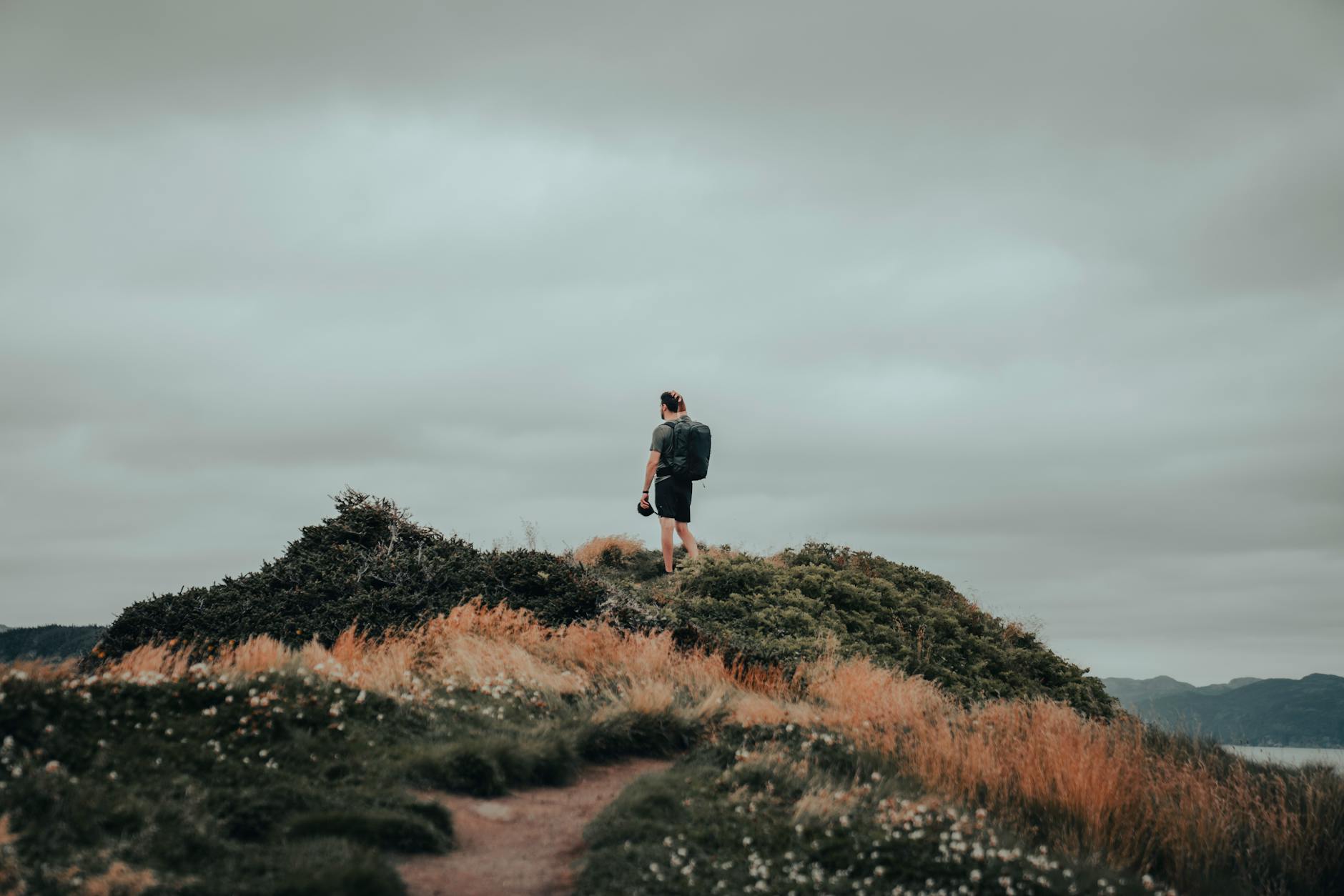
Sinai. Photograph Tina Bexson
Traffic in my country is always punctuated by beeps, and those beeps all convey different meanings. In the cell we’d play this game where we’d take it in turns to imitate a series of beeps, honks and toots so the others could guess exactly what the meaning of each combination was. At the end of the game whoever guessed the most would be rewarded and have the sole blanket for the night. We’d laugh like drains remembering all the crazy meanings behind the toot tootings, beep beepings, and honk honkings. One of the younger boys became so obsessed that he’d even started sleep talking with beeps. When we told him about it the next day, he’d said he’d recite them in his head before sleep. He did it to stop the craving for a cigarette. An elder inmate suggested he recite the Quran instead.
Now I attempt to move my head. There’s a slight breeze so surely the must be a window in the room? But why can’t I hear anything?
As time passes, a haze of images come to me quite naturally, back to when the police stopped us at the Gas station.

Sinai. Photograph Tina Bexson
A book, Nineteen Eighty-Four. The officer who’d searched our car had it in his hand.
He’d smashed it into my face.
‘What is this?’ he’d asked.
‘It’s a novel’, I’d told him.
‘As you can see, it’s called Nineteen …’
‘What is it about?’
‘It’s just a story. It’s fiction. It’s just about..’
‘What?’
I’d realised there was no point in trying to tell him what is was about so I’d stopped and remained quiet.
Then he asked who owned our car. Hassan said it was his.
After they searched the car again, they came out and asked us where our hash was.
‘We don’t have any.’
‘Then why are you here?’
This they’d asked again, and again, and again.
‘But we are just taking a break’, I’d replied.

Sinai. Photograph Tina Bexson
I try to remember exactly what was said next. Since I seem to have time to remember, I must use it before I am questioned by the chief. But I can’t remember anything with much accuracy. And I still can’t hear any traffic.
But I can smell. Cigarette smoke.
The door opens. Men enter. Maybe two. Maybe three.
One of them shouts suddenly. In a frenzy straight into my ear from over my shoulder. His stale Cleopatra breath hovers under my nostrils:
‘How do you know Hassan?’
‘From my village, near the border. I’ve known him since we were kids.’
‘Hassan has confessed.’
‘Confessed about what?’, I stutter.
‘The weapons.’
‘What weapons!?’
‘Who in your family has a black car?’
‘What?’
‘Who you in family has a black car?’
I hear the methodical click and purr of a laptop being opened.
‘I have it here’, the voice says. ‘A photograph on your laptop. A man, similar looking to you but younger. He has these blue eyes, rare for a Bedouin, just like yours. He is holding a machine gun standing in front of a black car with no number plates.’
Tina Bexson lives between Sinai, Cairo and London, and has done for many years. She is also Ars Notoria’s Middle East Editor. Tina is a freelance researcher and news and features writer for both national newspapers and magazines. Publications include: the Guardian, London’s Evening Standard, The Times, Ars Notoria, Environmental Health Journal, Environmental Health News, Public Health News, Your Life Magazine, Hotdog film Magazine, Mental Health Today Magazine, Jack, Maxim, Midweek, and Living Abroad Magazine. She writes about health, psychology, war, the military, crime, criminology, prison, psychiatry, social issues, environment, lifestyle, film and the arts and does Travel photojournalism,
Discover more from Ars Notoria
Subscribe to get the latest posts sent to your email.
Comment
Comments are closed.