Photograph, David Yip
by Margaret Yip
Thatcher came into power in 1979. In 1980, Martin’s friend opened a Chinese takeaway in Dalton-in-Furness. He asked Martin to join him and be the head chef. So Martin decides to leave his factory job, buys a cycle with a high interest loan, and begins cycling to his new job, which is four miles away, four times a day because he worked split shifts. He left at 10 am to do all the preparing, finished at 2 pm, then returned at 5 pm, then home around midnight. He had one day off, which was a Tuesday. The downfall of this job was he spent more time in the bookies or the pub when he was off work for his afternoon breaks. Money was in short supply again, so I worked when I could.
I had been helping a friend to clear her back garden, which was the size of a field. After I dug it over, I leveled it ready for the new turf that was to be delivered the next day. The next day arrived; I was way down at the bottom of her garden planting the end bed up when the turf arrived. The strong, stocky man who delivered it asked my friend who the man was doing her garden. She laughed and said, “It’s my friend – Maggie.” He came down the field to speak to me. He said, “You are making a grand job of this lass, do you want a job?” It turned out he was a contractor who repaired roads, block paving, did landscaping, etc. His name was Harry Stagg. I was about 30 years old then; I guessed he was around 55. He was a big, well-built, happy character. He explained he had just taken a job on down the coast road to landscape the garden of a large bungalow for the owners of the sports shop in Barrow town centre; would I be interested in taking it on? “I will drop you a rotovator off if you take it on, plus the turf, plants, etc. on Monday.”
He went onto say, “It’s school holidays; do you have kids?” “Five,” I replied. He said, “Bring them with you; they can play on the beach and have a picnic. I will pick you up Sunday afternoon to look at the job; I have a Porsche, I only take it out on Sundays. I will drive you down, see if you want to do it.”
Sunday at 2 pm he turns up in a black Porsche, very low to the ground, not comfortable at all but fast. We arrived at a large bungalow on the coast road and walk round to the back. The garden is quite large with two sides framing the rear of the property; it was all weeds, clumps of nettles, and brambles, mounds of mud and bracken. I told Harry I would like to do it. He was pleased and said he would send one of his men with a lorry to pick us all up Monday morning at 10 am.
The lorry turns up on time the next day and we all pile in; the driver is a cheerful guy but quiet. When we arrive he unloads the petrol rotovator before barrowing all the turf onto the front lawn. He asks if I have ever used a rotavator. I reply no. “It’s simple enough,” so after I have started it and tried a few strips, he takes his leave. Suzanne, my eldest, and I cross the road and settle the younger kids down on the beach with their packed lunch; the tide is on its way out. I tell Suzanne to watch Diane carefully, who is seven now, and Linda will watch the boys; we will eat at 1 pm but I will keep popping over to see if all is OK. I return to the rotavator. By three o’clock the ground is unrecognisable; it is all turned over. The two sides are done. I go over to the beach for a cold drink and sit with the kids for ten minutes. When I go back to the garden, David, my fourth child who is ten now, asks if he can come and help. We both return to the bungalow and I begin to rake the turned over ground, removing all the weeds, gathering them into a tub ready to be taken away. We rake for nearly two hours till the earth looks like the sand on the beach. Sweep all the paths then use the hose to wash everywhere clean. The driver returns to take us home. He looks amazed but pleased. We all pile back in the truck and return home for tea.
I finished the job at teatime the next day, again with David’s help pushing the turf in a wheel barrow around the paths for me to lay; he helped to plant up the sides of the garden plus the borders. The last job was sweeping all around, hosing the new lawns, and watering all the bedding plants and new shrubs.
Harry was over the moon; he paid me £200 for two days, which was a lot of money. A couple of years later, Barrow was building a new shopping centre. The main road through was being pedestrianised with patterned red and grey bricks. I was shopping on the high street when I heard someone shouting my name. It was Harry Stagg, sat in a huge digger. He said he had won the contract to replace the tarmac roads and pavements with the patterned bricks. “I could do with you, Maggie,” he said, “do you want a job full time for the duration?” I looked at all the men digging out trenches in their hard hats and big wellies and laughed up at him. “No thanks, Harry, I don’t think these men would appreciate it when I turn up and work quicker than them.” He laughed too and said, “I will be here if you change your mind; just shout out.” The money I had earned off Harry had came in handy for going back to school uniforms, new shoes, bags, etc.
Poverty in Barrow-in-Furness during the Thatcher years was a huge problem. One or two new reporters came to work at the Barrow Evening Mail; they wrote a series about it featuring the old Barrow tenement flats. They took photos of the conditions – damp stone staircase entries full of fly-tipping, litter, slum housing, children playing in the gutters with no shoes on. Forty-five years on, Barrow-in-Furness still has a problem with child poverty; Cumbria has 29 communities that rank in the 10% of the most deprived areas. Barrow is one of them. The town centre and surrounding terraced streets, all with back streets, are very rundown.
Martin sometimes asks David and I to go to the takeaway and help with food preparation. The owner too is a gambler and often goes to Manchester. Martin can’t cook, prep, and serve on his own; he needs help, but we are never paid!
Saturdays, Bank holidays are usually big racing days. Big races like The National, The Saint Leger, The Derby – Martin never misses and spends his afternoons off in the bookies. On one of these occasions, he arrives home before going back into work at 5 pm. He has two black eyes, a bleeding nose, lots of bruises. He is upset and shaken. Martin is of slight build; he has never weighed more than eight stone, around five foot five inches, with a 28 inch waist. He tells me he has been beaten up by two brothers who live in the next street. They are from Scotland and both are a lot bigger than Martin. Seemingly, they asked him for a tip for a horse in the next race. He told them he doesn’t give tips because if it loses he will get the blame. Martin then backs his horse and it wins. He only ever backs first place, so he wins a good few pounds. He leaves with his winnings and the two brothers follow him out into the back street and beat him up because he wouldn’t give them the tip.
He leaves for work on his bike at the usual time. I and the kids are upset and they ask why their dad has gone to work. Martin has never took a day off work – ever. When the children are settled in front of the TV, I phone my brother David – he lives up on the West Coast near Ennerdale. I tell him what’s happened. Martin has had a few squabbles previously while playing cards, dominoes, for money, but nothing this violent. (My brother is a big man who died three years ago. There was hundreds at his funeral. During the service the female vicar, in her sermon, said, “I maybe the vicar of this parish, but David is the Father; you all know and love him as Father Dave. No one who needs his help goes without it.”)
My brother tells me he will be in Barrow the next morning at 7:30 am. I am opening the curtains early the next day and see my brother jogging down the street. He has hitch hiked over Corney Fell. We all sit down for breakfast. The children leave for school and David asks Martin what happened. He repeats what he has told me, then he leaves for work. David then tells me Harry, my brother-in-law, and two of David’s friends will arrive on the midday train. They turn up, refuse any food, and sit chatting and joking with a cup of tea. It’s about 1 pm when David says, “Away lads, let’s go and sort them out.” David asks for the house number and off they go. They are back about 2:30 pm and tell me and Martin, who has returned from work, what happened. Harry and Hughie had stood at the gate; the other lad stands at the front door; my brother goes round the back. He knocks and one of the brothers answers. “Alright,” said my brother, “I believe you have a car for sale.” “No,” the fellow replies. My brother says, “Martin Yip said you have a car for sale; you know Martin Yip, don’t you.” “Aye,” says the fellow. At this, my brother pulls him out of the backdoor, lifts him off the third step, and throws him into the garden, giving him two black eyes. “Where is your brother?” David asks him. The beaten man tells him the address; he lives in a bedsit a few streets away. They go there; he is not in. My brother asks the landlady if he can check his room; she agrees!! He is not there. They return to his brother’s house. “Your brother is lucky,” my brother tells him. “Tell him if I have to come back, you will get the same again – he will get a lot worse.”
Martin and I make them a Chinese banquet before he returns to work, and they all go off laughing and joking to catch the 6 pm train back home. The next day I pass the brothers house on my way to work; his wife comes out and shouts to me, “Who were them men? Tommy is in a bad way; he can’t go and sign on!” I reply, ‘Martin had to go to work after your husband and his brother beat him up on Saturday for nothing,’ I replied. “Who were they; did you hire them from Liverpool?” she asks. I laugh and replied, “No, they are my brothers; there are four more of them; they live further up north.”
It was strange after this. People who had never spoke to me before on the street where the brothers lived said, “Good morning, Maggie,” and passed the time of day as I walked along on my way to work.
No one ever bothered Martin again.
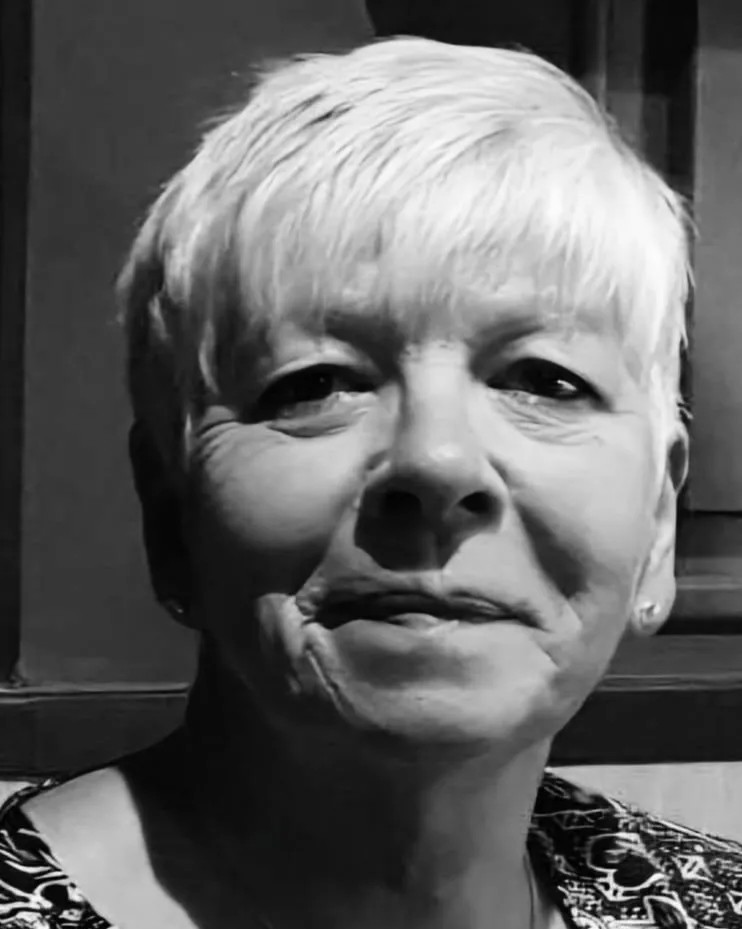
Margaret Yip is a mother of five, grandmother of seven, and great-grandmother of two. She lives in a small village in Cumbria. She advocates for social and economic justice, social housing, and the NHS, and opposes all forms of prejudice and hatred. She is currently serializing her memoirs with Ars Notoria. To quote Margaret Yip:
‘Prejudice, racism, and hate are once again spiraling out of control, and the church and others are far too silent about it. But there is hope. People like me, following the example of my parents, are speaking out, using new platforms like Ars Notoria to do so. We all have to stand up for humanity and confront prejudice and injustice. My hope for the future is that people always speak out, stand up, and be counted. Say enough is enough and stop prejudice. Defend the NHS, social housing, and the benefits we deserve.’
Discover more from Ars Notoria
Subscribe to get the latest posts sent to your email.