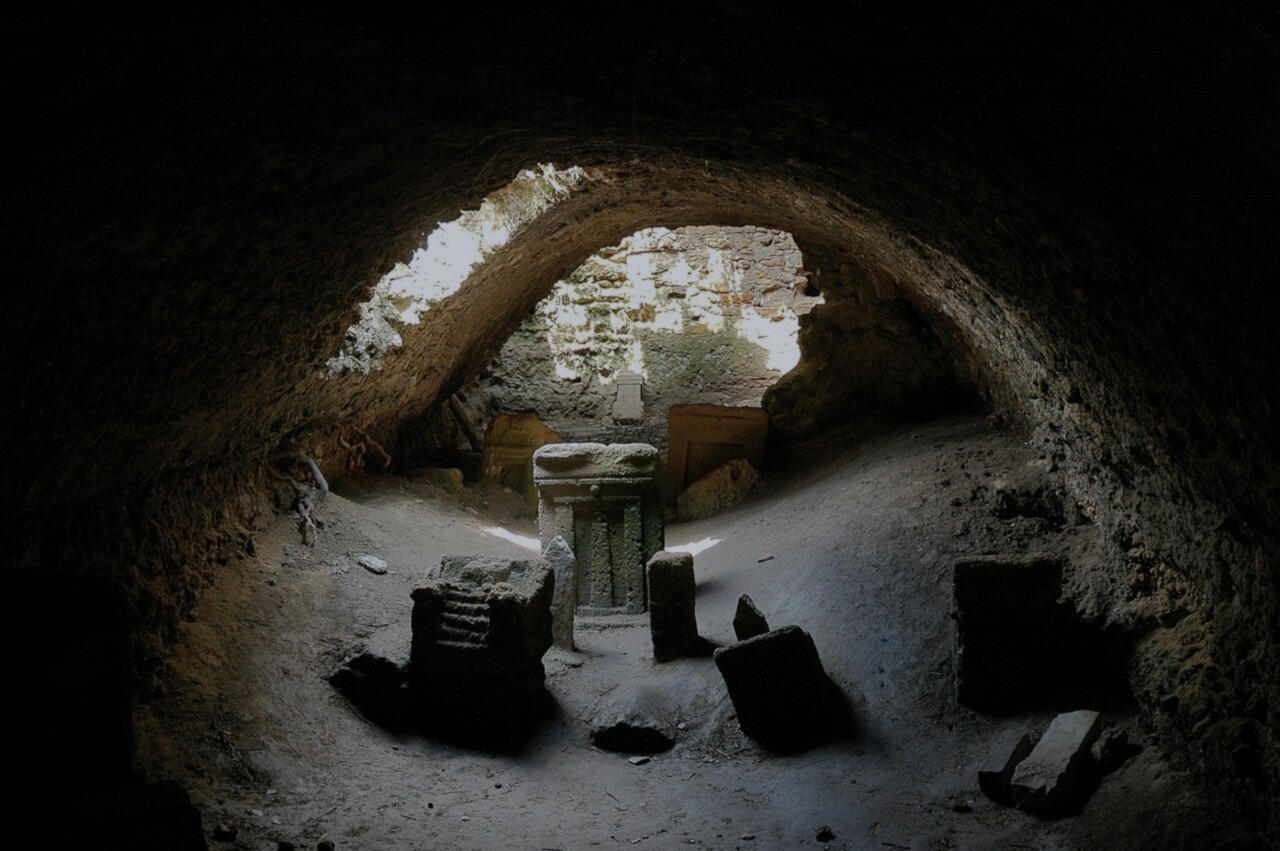
Tophet Salambo Carthage Tunisie. Photograph Patrick Giraud Wikimedia Commons
The scribe once more
I am once again the standing scribe
with a heart beginning to rust
by decision of unreachable gods.
I write like this and here simply, stubbornly,
to breathe in the memory of some others,
for in this brush or reed or pencil dwell
the chronicles, the crossings-out, the gestures, the silences,
the solitudes, the strokes, the doubts, the chants
of all the standing scribes who have already been,
of all who are, of those who perhaps
will resolve their intention to be born.
I write only words, because they no longer matter,
neither these nor any words, for there were, are, will be
other scribes of easy scripts,
of verses that rhyme with the verb to be able,
with the verb usury,
with the verb complacency,
with the verb violation,
with the verb complicity,
with the verb yes sir,
with the verb cocaine,
with the verb deceit,
with the verb statue,
with the verb comfort,
with the verb cowardice,
with the verb media,
with the verb market,
with the verb corruption.
My living pen or stylus or quill or chisel
still feels the tremor of the missiles that scorched
the entrails of Kosovo and Baghdad.
And the clay tablet or the silk sheet or the fine papyrus
or the soft parchment or the radiant screen or the vulgar paper
wish to expel the scabbed blood of the two hundred thousand
prisoners Qin Shi ordered beheaded,
and the thousands upon thousands slaughtered by Peter the Great,
by Alexander the Great, and by Richard the Lionheart:
they wish to erase the sweat of the nations
extinguished by the wrath of Yahweh,
and the urine of the girls dissolved by napalm,
and the saliva of the disappeared on the beaches of the South,
and the breath of poets buried alive
in the deserts of Allah,
and the stench of the twenty million kilos
of guts Rwanda ground to pulp,
and the murmur of Hiroshima’s ashes
that never cooled,
and the flow of the indigenous girl violated in the cornfield,
and the excrement of the twenty thousand slaves Rome
nailed to its cross
and who were not sons of God.
They wish to strip away the skin of Black bodies burning
on the altars of the Ku Klux Klan,
and the burning of chests split open
by a knife of pure obsidian,
and lungs hardened by the poison of Treblinka,
and veins cooked by a perfect artificial energy.
These mere words of a scribe simply cannot
give voice and breath to the so much humanity sacrificed,
burned, gassed, shredded, hanged, castrated, violated, humiliated,
emptied, broken, plundered, shot, guillotined, mocked,
murdered, razed, buried, filed away, forgotten
in Granada, in Tlatelolco, in Madrid, in Haiti, in Cincinnati, in Honduras,
in Guernica, in Palmares, in Santiago de Chile, in Moscow, in Armenia,
in Tenochtitlan, in Guatemala, in Paris, in Buchenwald, in Gaza, in Bogotá,
in the Río de la Plata, in Angol, in Chechnya, in El Salvador, in Libya,
in Ethiopia, in Kabul, in Panama, in the Chaco, in Atenco, in Acteal:
only there? only there?
I, the scribe, with my self, rise up
at the cost of this diminished body and say
that I no longer want to breathe
inside words,
because in every crumb of each of these lands,
of each of these waters,
there are remains of wombs of humiliated brides,
shreds of children’s skin,
fragments of foreskins and tongues,
mutilated nails and eyes coagulating,
atomized nerves torn out by the executioner.
And I, the scribe once again, carrying my many selves,
say nothing of the flags bitten by shadow,
of spoons with their raw hunger,
of plates with their filthy thirst,
of corroded tortillas and sickly bread,
of withered crosses and foul-smelling temples,
of virtual currencies and empty checks
and plastic cards
multiplying and rotting.
Because I want to say nothing:
it is always difficult to speak as if singing.
El escriba otra vez
Yo soy otra vez el escriba de pie
con un corazón que empieza a herrumbrarse
por decisión de los dioses inalcanzables.
Escribo así y aquí para simplemente tozudamente
respirar en la memoria de algunos otros
pues en este pincel o cálamo o lápiz están
las crónicas las tachaduras los gestos los silencios
las soledades los trazos las dudas los cánticos
de todos los escribas de pie que ya han sido
de todos los que son de los que quizá
resuelvan su intención de nacer.
Escribo sólo palabras porque ya no importan
ni éstas ni ningunas palabras pues hubo hay habrá
otros escribas de fáciles grafías
de versos que riman con el verbo poder
con el verbo usura
con el verbo complacencia
con el verbo violación
con el verbo complicidad
con el verbo sí señor
con el verbo cocaína
con el verbo engaño
con el verbo estatua
con el verbo comodidad
con el verbo cobardía
con el verbo mediático
con el verbo mercado
con el verbo corrupción.
Mi pluma viva o estilete o péndola o cincel
aún siente el temblor de los misiles que calcinaron
las entrañas de Kosovo y de Bagdad.
Y la tableta de barro o la hoja de seda o el fino papiro
o el suave pergamino o la fúlgida pantalla o el vulgar papel
quieren expulsar la costrosa sangre de los doscientos mil
prisioneros que ordenó decapitar Qin Shi
y los miles y miles degollados por Pedro el Grande
por el gran Alejandro y por Ricardo Corazón de León:
quieren borrar el sudor de las naciones
que extinguió la ira de Yaveh
y la orina de las niñas disueltas por el napalm
y la saliva de los desaparecidos en las playas del Sur
y el aliento de los poetas enterrados vivos
en los desiertos de Alá
y el hedor de los veinte millones de kilos
de tripas que Ruanda trituró
y el rumor de las nunca enfriadas cenizas de Hiroshima
y el flujo de la indita vulnerada en la milpa
y el excremento de los veinte mil esclavos que Roma
encajó en su cruz
y que no eran hijos de Dios.
Quieren quitar la piel de los negros incendiándose
en los altares del Ku Kux Klan
y el ardor de los pechos que el cuchillo de pura obsidiana partió
y los pulmones endurecidos por el veneno de Treblinka
y las venas cocinadas por una perfecta energía artificial.
Estas meras palabras de un escriba sencillamente no podrán
dar su voz y su hálito a la tantísima humanidad sacrificada
quemada gaseada desmenuzada ahorcada castrada violentada vejada
vaciada quebrantada expoliada fusilada guillotinada burlada
asesinada arrasada enterrada archivada olvidada
en Granada en Tlatelolco en Madrid en Haití en Cincinati en Honduras
en Guernika en Palmares en Santiago de Chile en Moscú en Armenia
en Tenochtitlan en Guatemala en París en Buchenwald en Gaza en Bogotá
en el Río de la Plata en Angol en Chechenia en El Salvador en Libia
en Etiopía en Kabul en Panamá en el Chaco en Atenco en Acteal:
¿sólo ahí? ¿solamente ahí?
Yo el escriba con mi yo me levanto
al costo de este menguado cuerpo y digo
que ya no quiero respirar
adentro de las palabras
porque en cada migaja de cada una de estas tierras
de cada una de estas aguas
hay restos de úteros de novias humilladas
hilachas de pellejo infantil
fragmentos de prepucios y de lenguas
uñas mutiladas y ojos coagulándose
nervios atomizados que el verdugo arrancó.
Y yo el escriba otra vez con sus yoes a cuestas
nada estoy diciendo de las banderas mordidas por la sombra
de las cucharas con su cruda hambruna
de los platos con su sucia sed
de las tortillas corroídas y los panes enfermos
de las cruces marchitas y los templos malolientes
de las monedas virtuales y los cheques vacíos
y las tarjetas de plástico
multiplicándose y pudriéndose.
Porque nada quiero decir:
siempre es difícil hablar como cantando.

Saúl Ibargoyen
Saúl Ibargoyen (Montevideo, 1930 – Mexico City, 2019) lived in Mexico for several decades and was granted Mexican citizenship in 2001. He began publishing in 1954. He wrote poetry, short stories, novels, children’s theatre, testimonial literature, and essays in Uruguay, Mexico, Cuba, Canada, Venezuela, and the United States. His poetry collection El escriba de pie (The Standing Scribe) received the National “Carlos Pellicer” Prize in 2002.
Saúl Ibargoyen (Montevideo, 1930 – Ciudad de México, 2019) Vivió en México durante varias décadas y, en 2001, se le otorgó la nacionalidad mexicana. Comenzó a publicar en 1954. Escribió poesía, cuento, novela, teatro infantil, testimonio y ensayo, en Uruguay, México, Cuba, Canadá, Venezuela y EUA. Su poemario El escriba de pie mereció el Premio Nacional “Carlos Pellicer” 2002.
Discover more from Ars Notoria
Subscribe to get the latest posts sent to your email.

You must be logged in to post a comment.