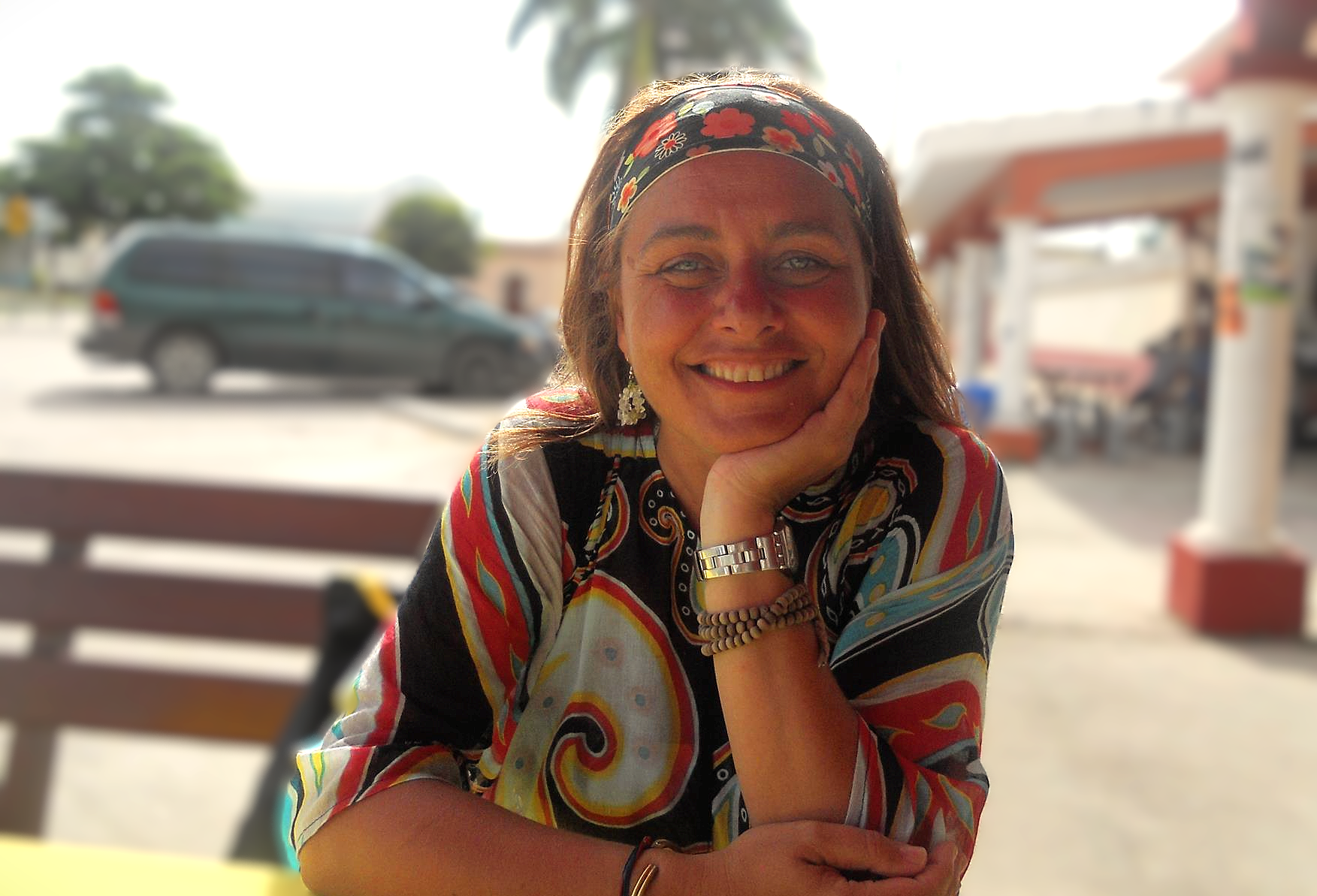
Photo credit Carmen Nozal
Carmen Nozal (Spain, 1964) is a Spanish-Mexican poet whose life and work bridge the Atlantic. A graduate in Hispanic Language and Literature from UNAM and a former student at the SOGEM Writers’ School, she has lived in Mexico since 1986. Her distinguished career includes the publication of twenty books of poetry, work for the theatre and film, and her autobiographical prose. In 2021 Carmen Nozal received the Pakal de Oro award for her literary career. She received a Doctorate Honoris Causa in 2022 in recognition of her literary achievements. Nozal was also recently honoured with the 2023 Premio de las Letras de Asturias in Spain. She currently works as the Coordinator of Communication and Press at the National Museum of Art. She is the director of the Ibero-American Poets’ Meeting based in Mexico, Con Versando. Ibero-American Journal of Poetry and Essay, Con Versando Ediciones, and the Hispano-American Poetry Laboratory.
Nozal’s poetry, much of it which has been translated into over ten languages, focuses on the natural world, and, more specifically, on the subject of water as the essential thread of life. In the poems that follow, water is not only a subject, but a living presence. The sea is an unbroken mass of salt water that contains drowned words. There is an urgent imprecation from the poet to reject plastic bottles in favor of cupping water in one’s hands. Her voice is lyrical and fiercely ecological. Elsewhere, the sea is wounded with its veins cut, bleeding jade. These four poems form a compelling introduction to the poet, who asks us to see and understand, and also to respect and fear the liquid that sustains us.
Ulises Paniagua Olivares

Photograph Phil Hall
JUNE 8
Thousands of people have survived without love; none without water.
—Wystan Hugh Auden
That continuous mass of salt water
that unceasing murmur
those crushing skies
those white visitations
those blues and greens living in love
those underwater meadows
that surface of transparency
those deep secrets hidden in the depths
those sunken words of the drowned
those mangroves hovering around the salt marshes
those sunbeams crossing down to the earth
those formations of solitude
that planetary bridge along which life runs
those birds that reflect themselves in the water when migrating
those stranded ships
those marine denizens guarding treasures
those great treasures that are the marine denizens
that lung that saves us
that shelter that gathers together the different ones
that floating garbage
that blood flowing from coral reefs
that blindness that sees only every sunset
that lack of guarantees for peace
that absence of memory
that abandonment of kindness
those five brothers through which mankind breathes
this neglect that covers over ungratefulness.
Poem from: El espejo de Luzbel.

Photograph Phil Hall
INSTRUCTIONS FROM WATER LOOKING AT THE CEMETERY
Do not drink water from a plastic bottle:
for that you have your hands
with their lines of destiny perfectly traced
and their mounts to see Venus
fill the world with lovers
through which life passes in the form of organisms.
Do not drink water from a plastic bottle
because the water that comes from the clouds
likes to faint into the oceans,
returning to the ground after a long journey,
to seep into the brown earth that groans
for one drop, one tear, one crystalline river formed on the surface,
a nourishment that feeds the deep heart.
Any animal, even the beasts,
returns what it consumes,
in the form of secretions,
and even in its decomposition
adds to existence the joy of plants.
Do not drink water from a plastic bottle:
let it run over your palms,
rock it in the hollow of your hands, kiss it like a virgin bride
and do not disturb it, do not stain it, do not dishonour it,
do not fill it with sins built with your hands
and do not wash your hands with it
because one day it will abandon you.
Therefore you must not drink water from a plastic bottle.

Photograph Phil Hall
THIRST
Only rocking,
the sea breaks into routine.
It leaves its aluminium arm
extended between cardinal points;
it wants to stop being sea,
stop being definitive.
Its has cut viens
and a stump bleeding jade;
it is a jar of fresh wounds:
no one drinks from.
Poem by Vagaluz

Photograph Phil Hall
ETERNITY
Useless water
Water lost from other waters
Water that is calling itself blood
That cannot die
drying in the grass
Poem from El espejo de Luzbel
Discover more from Ars Notoria
Subscribe to get the latest posts sent to your email.

You must be logged in to post a comment.